On this page
A washing machine that smells is not dirty from the clothes. It is dirty from everything the clothes leave behind: detergent that never fully rinsed, fabric softener, body oils and lint, all sitting in warm damp corners where mould and bacteria grow. Modern machines run cooler and use less water than older ones, which is kinder to fabric but gives that residue more chance to settle. The fix is a short routine that cleans the few places buildup hides, plus a couple of habits that stop it coming back.
Run a hot maintenance cycle
The drum and the pipes you cannot see are cleaned by heat and a running cycle. Many machines have a dedicated clean cycle; if yours does, use it, since it runs hotter and longer than a normal wash. If not, pick the hottest, longest cycle the machine offers and run it empty.
For the cleaning agent, use either a washing machine cleaner or plain white vinegar, following the maker guidance on amounts. These loosen the film of residue and limescale on the drum and hoses. Run this empty hot cycle about once a month, or more often if you mostly wash cool and it smells between cleans.
Clean the door gasket on a front-loader
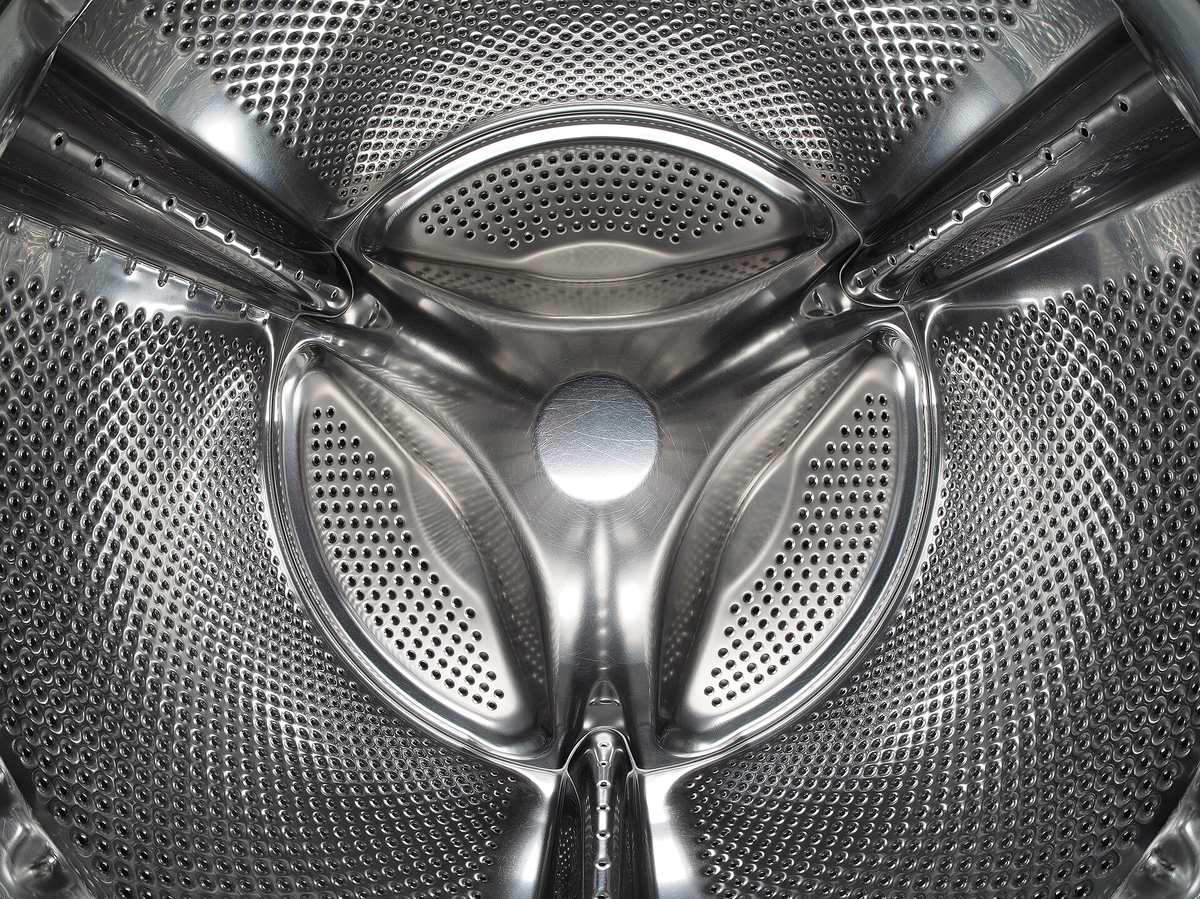
On a front-loading machine, the rubber seal around the door is where most smells begin. That folded gasket traps water, hair, lint and scraps of tissue, and stays damp long after the wash. Peel the fold back gently and you will usually find dark residue and sometimes standing water.
Wipe the whole seal with a damp cloth, working into the fold all the way around, and pull out any lint, coins or hair. For stubborn dark marks, a cloth dampened with a mild cleaning solution or white vinegar lifts most of it; let it sit a few minutes, wipe again, then dry the seal. Top-loaders have no seal, so check around the rim and lid instead.
Clean the detergent drawer
The drawer where you pour detergent and softener builds up a slimy film, because neither product fully flushes out. Left alone, it goes mouldy and can block the jets that rinse it. Most drawers pull right out once you press a small tab at the back.
- Pull the drawer out fully and remove any inserts or siphon caps so you can reach every surface.
- Soak the parts in warm water, then scrub with an old toothbrush to clear sludge from the corners.
- Wipe inside the empty slot too, especially the roof of the cavity where jets clog with residue.
- Dry everything and slide it back, leaving it slightly open so air can reach inside.
Check the drain pump filter
Many front-loaders and some top-loaders have a drain pump filter, usually behind a small flap low on the front. It catches coins, buttons, hair and lint before they reach the pump, and when it clogs the machine drains slowly and can smell. Check your manual; if yours has one, clear it a few times a year.
Lay towels down and have a shallow tray ready, because water will come out. Open the flap, unscrew the cap slowly to let water drain in stages, then pull the filter and clear whatever is caught. Rinse it, check the opening behind it, and screw it firmly back in; a loose filter leaks.
What you need
The full routine
Wipe the gasket and rim
On a front-loader, fold back the door seal and clean inside it. On a top-loader, wipe around the rim, lid and softener dispenser.
Clean the detergent drawer
Remove the drawer and its inserts, soak and scrub them, wipe the cavity, then dry and refit.
Clear the drain filter
If your machine has one, lay down towels, drain it into a tray, remove and rinse the filter, then screw it back firmly.
Run the hot empty cycle
With the drum empty, add cleaner or white vinegar and run the clean cycle or the hottest long wash.
Leave it to dry
When it finishes, wipe the drum and seal dry and leave the door and drawer open.
Keep it fresh between cleans
The habit that matters most costs nothing: leave the door and detergent drawer open between washes so the inside dries out instead of staying warm and damp. Mould needs moisture, and an open door removes it. Take damp laundry out as soon as the cycle ends rather than leaving it to sour in the drum. Wiping the seal dry now and then takes seconds.
Photo credits
- Photo: Tokyo538 / Wikimedia Commons, CC0
- Photo: Petar Milošević / Wikimedia Commons, CC BY-SA 4.0
Written and edited by EasyGuides Editors. See our editorial standards.